Lilac
Syringa vulgaris
This is a game, not a field guide. Never eat a wild mushroom or plant because of it; if you are unsure, ask a mushroom advisor or a poison centre.

At a glance
- Scientific name
- Syringa vulgaris
- Group
- Eudicots
- Order
- Lamiales
- Family
- Oleaceae
- Continent
- Europe
- Habitat
- Mountains, Gardens
- Form
- Shrub
- Leaves
- Shed in winter
- Flower colour
- White, Purple
- Blooms in
- Spring
- Use
- Ornamental
- Conservation status
- Least concern
- Difficulty in WildGuessr
- Easy
Did you know?
- Lilac is native to the Balkans and reached gardens in western Europe in the 1500s.
- The Latin name Syringa comes from the Greek word for pipe, as the stems are hollow once the pith is removed.
Could you guess it from clues?
WildGuessr picks a secret animal, plant, fungus, stone, prehistoric creature or space object and you ask yes-or-no questions about it, such as its group or where it grows. The fewer clues you need, the more points you score.
Similar plants
- Olive tree
Olea europaea
- European ash
Fraxinus excelsior
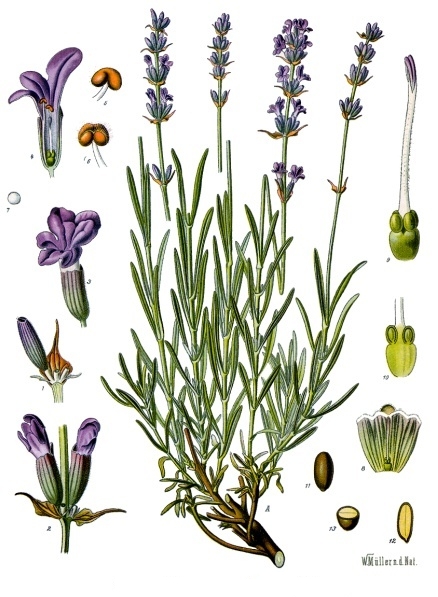
- Lavender
Lavandula angustifolia


Classification, names and conservation status come from Wikidata (CC0), the photo from Wikimedia Commons. Wikidata Q6565319 · All plants · All entries