Data sources
All sources at a glance
Where every price comes from, and under which terms. Details and exact credits for each follow below. WildGuessr sources (animals, plants, fungi, stones, prehistoric life, space) have their own list.
Prices
- Open Prices (Open Food Facts)Shelf prices of packaged and loose products, by cityODbL
- EU Weekly Oil BulletinNational average fuel pricesCC BY 4.0
- The Economist Big Mac indexBig Mac prices by countryCC BY 4.0
- UK Office for National StatisticsPrivate rents by area and average prices of everyday itemsOpen Government Licence v3.0
- Czech Statistical Office: Ceny nemovitostíAverage purchase price of a flat per m² in Czech districts, from cadastre purchase contractsCC BY 4.0
- Statistics CanadaRents of Canadian cities and grocery prices by provinceStatistics Canada Open Licence
- Czech Statistical Office (ČSÚ)Average prices of food and drinks in CzechiaCC BY 4.0
- Central Statistics Office, IrelandPub, grocery and service pricesCC BY 4.0
- U.S. Bureau of Labor StatisticsAverage prices of food, goods and gasolinePublic domain
- Statistics Poland (GUS)Average prices of goods and servicesCC BY 4.0
- Statistics Bureau of JapanRetail Price Survey of 15 citiesGovernment of Japan Standard Terms of Use 2.0
- Stats NZFood Price Index average pricesCC BY 4.0
- SingStatAverage retail prices in SingaporeSingapore Open Data Licence
- KPDN PriceCatcher (data.gov.my)Shop prices in MalaysiaCC BY 4.0
- Steam store (Valve)Base prices of PC games per countryNo licence of its own; Steam is a trademark of Valve, cover art belongs to its publishers, not affiliated
- TCGdex (Cardmarket, TCGplayer)Pokémon card prices in EUR and USDOpen source API; price feeds and card art belong to their owners (The Pokémon Company, Cardmarket, TCGplayer), not affiliated
- DiscogsLowest marketplace price of a vinyl pressing, in USDData provided by Discogs; cover art belongs to its rights holders, not affiliated
- BricksetOfficial LEGO retail prices in the US, UK, Canada and GermanyFree API key; LEGO is a trademark of the LEGO Group, box art belongs to it, not affiliated
Photos, exchange rates and helpers
- Open Food Facts (product photos)Photos of packaged productsCC BY-SA 3.0, author credited next to each photo
- Wikimedia CommonsPhotos of fruit, vegetables and other categoriesCC BY or CC BY-SA, author credited next to each photo
- European Central BankEuro reference exchange rates (via Frankfurter)Reuse permitted with the source acknowledged
- fawazahmed0/exchange-apiExchange rates of currencies the ECB does not publishCC0
- MusicBrainzLinked famous albums to their Discogs entries when the vinyl list was chosen; nothing from it is shown or storedCore data CC0
- Natural EarthCountry outlines for TripGuessr's tabletop map (simplified)Public domain
WildGuessr animals, plants, fungi, stones, prehistoric life and space
- WikidataClassification (class, order, family) and the IUCN status of animals, plants and fungi, and stone properties and prehistoric time periods for cross-checkingCC0
- WikipediaNames of animals, plants, fungi, stones, prehistoric creatures and space objects in eight languages, taken from article titlesArticle titles of Wikipedia, CC BY-SA 4.0
- IUCN Red ListConservation status (least concern to extinct), read through WikidataStatus values only; The IUCN Red List of Threatened Species
- GBIF.orgWhich countries each animal, plant and fungus lives in (counts of observations per country, for the class filter)Occurrence counts only; GBIF.org, cited
- Wikimedia Commons (photos)Photos of animals, plants, fungi, stones, prehistoric creatures and space objects (many by NASA, ESA or ESO) and, in the voice mode, animal sound recordings, shown with author and licenceCC BY, CC BY-SA, CC0 or public domain
- Paleobiology DatabaseWhich countries the fossils of each prehistoric creature were found in (counts of certain finds per country, for the class filter)CC BY 4.0; data from the Paleobiology Database
- NASA and ESA fact sheetsReference for the traits of space objects (distance, discovery, visibility); checked against, nothing copiedReference only; not affiliated with NASA or ESA
Prices
Prices come from Open Prices, a crowdsourced database of real prices backed by photos of price tags and receipts, run by Open Food Facts. The data is available under the Open Database License (ODbL). We use the public data export and show the median of observed prices per product, country and year (discounted prices excluded). Each round shows the city and year the price was observed in.
Price data: © Open Prices contributors, ODbL.
Czech average prices
Prices of everyday groceries and drinks in Czechia (bread, Hermelín, bottled beer…) are the national monthly averages published by the Czech Statistical Office, calculated from retailers' scanner data. We show the latest month; item names are shortened and marked as averages.
Data: © Český statistický úřad, CC BY 4.0 (terms of use).
Irish average prices
Pub prices (a pint of stout or lager, a single measure of whiskey…), groceries and everyday services such as a cinema ticket or a haircut in Ireland are national monthly averages from the Central Statistics Office (table CPM12). We show the latest month; item names are shortened and marked as averages.
Data: © Central Statistics Office, Ireland, CC BY 4.0.
U.S. average prices
U.S. grocery, drink and gasoline prices are the monthly U.S. city averages from the Bureau of Labor Statistics' Average Price Data, collected for the Consumer Price Index. We show the latest month; item names are shortened and marked as averages.
Data: U.S. Bureau of Labor Statistics, public domain.
Polish average prices
Polish grocery and drink prices (national) and prices of tram, bus and taxi rides, car washes, cinema and theatre tickets and haircuts (per voivodeship) are annual average retail prices from Statistics Poland's Local Data Bank. We show the latest year; item names are shortened and marked as averages.
Data: © Główny Urząd Statystyczny, CC BY 4.0.
Japanese retail prices
Restaurant meals (ramen, sushi, gyudon…), groceries, transport fares and services in 15 Japanese cities are monthly average retail prices from the Statistics Bureau of Japan's Retail Price Survey, published on e-Stat. We show the latest month; item names are translated and marked as averages.
Source: 総務省統計局「小売物価統計調査」, used under the Government of Japan Standard Terms of Use 2.0 (compatible with CC BY 4.0).
UK average prices
Groceries and pub drinks in the UK (a pint of lager, a white sliced loaf, a kilo of bananas…) are average prices from the Office for National Statistics' RPI average prices of selected items. Each series is shown at its latest month (most end in January 2025); item names are shortened and marked as averages.
Contains public sector information licensed under the Open Government Licence v3.0.
New Zealand average prices
Grocery and takeaway prices in New Zealand (fish and chips, a hot meat pie, a takeaway coffee…) are the monthly weighted average prices from Stats NZ's Food Price Index. We show the latest month; item names are shortened and marked as averages.
Data: © Stats NZ, CC BY 4.0.
Canadian grocery prices
Grocery prices in each Canadian province and in Whitehorse and Yellowknife are the monthly average retail prices from Statistics Canada. We show the latest month; item names are shortened and marked as averages.
Source: Statistics Canada, Table 18-10-0245-01, reproduced under the Statistics Canada Open Licence.
Singapore retail prices
Grocery prices in Singapore are the monthly national average retail prices from the Singapore Department of Statistics. We show the latest month; item names are shortened and marked as averages.
Source: Singapore Department of Statistics, table M213761, used under the Singapore Open Data Licence.
LEGO set prices
LEGO prices are the official retail prices LEGO set for each set in the United States, the United Kingdom, Canada and Germany, as listed by Brickset. Each picture links to the set's page on Brickset.
LEGO is a trademark of the LEGO Group, which does not sponsor, authorize or endorse PriceGuessr. Box art belongs to the LEGO Group.
Vinyl record prices
Vinyl prices are the lowest price currently asked for one pressing on the Discogs marketplace, in US dollars. Data provided by Discogs. Each cover links to its release page. The list of albums was put together with the help of MusicBrainz (core data CC0), which links albums to their Discogs entries; nothing from MusicBrainz is shown or stored.
Cover art belongs to its rights holders; PriceGuessr is not affiliated with Discogs.
Pokémon card prices
Card prices are the Cardmarket trend price (EUR, shown as Germany) and the TCGplayer market price (USD, shown as the United States) of the Near Mint single card, read through the open source TCGdex API. The card image is loaded from TCGdex and links to the card's data.
Pokémon and the cards belong to The Pokémon Company, Nintendo, Creatures and Game Freak; PriceGuessr is not affiliated with them.
Game prices
Game prices are the base prices (before any sale) of the standard edition on the Steam store in each country, in that country's currency. The cover image is loaded from Steam's servers and links to the game's store page.
Steam is a trademark of Valve Corporation; PriceGuessr is not affiliated with or endorsed by Valve. Game titles and cover art belong to their publishers and developers.
Malaysian prices
Grocery and drink prices in Malaysia come from PriceCatcher, daily prices collected in about 2,000 shops and markets. We show the national median of shop averages for the latest complete month; item names are translated, shortened and marked as averages.
Source: Ministry of Domestic Trade and Cost of Living (KPDN), PriceCatcher via data.gov.my, licensed under CC BY 4.0.
Fuel prices
Petrol and diesel prices come from the European Commission's Weekly Oil Bulletin: national average pump prices including taxes, published every week for each EU country. We convert them from euros per 1000 litres to the price of one litre in the country's own currency, using the exchange rate published in the bulletin.
Fuel price data: © European Union, CC BY 4.0; converted as described above.
Big Mac prices
The price of a Big Mac in each country comes from The Economist's Big Mac index, surveyed twice a year in local currency. We show the latest survey only.
Big Mac data: © The Economist, CC BY 4.0.
Czech flat prices
The price of a flat per square metre in Czech cities is the average purchase price in the district, from the prices written into the cadastre with every purchase contract (real sales, not asking prices), published by the Czech Statistical Office (“Ceny nemovitostí”). We show the latest year of the newest edition. The photos show the city, not the flats counted.
Data: © Český statistický úřad, CC BY 4.0.
Rents
Monthly rents for 1- and 2-bedroom homes in UK cities come from the Office for National Statistics' Price Index of Private Rents: the average rent paid by private tenants in the latest month. In Scotland it is published for wider rental areas, which the round names. Canadian rents are the average rent in row and apartment buildings of three or more units from the CMHC Rental Market Survey (October each year), published by Statistics Canada. Rents are city-wide averages, not listings; the photos show typical housing in that city.
UK: contains public sector information licensed under the Open Government Licence v3.0. Canada: source Statistics Canada, Table 34-10-0133-01, reproduced under the Statistics Canada Open Licence.
Product photos
Photos of packaged products come from Open Food Facts and are licensed under CC BY-SA 3.0. Every round links to the product's Open Food Facts page.
Fruit, vegetable and other category photos
These come from Wikimedia Commons. Author and license of each photo:
 ApplesPhoto: W.carter, CC0, Wikimedia Commons
 ApricotsPhoto: Fir0002, CC BY-SA 3.0, Wikimedia Commons
 AsparagusPhoto: bongo vongo, CC BY-SA 2.0, Wikimedia Commons
 AuberginesPhoto: Krzysztof Golik, CC BY-SA 4.0, Wikimedia Commons
 AvocadosPhoto: Ivar Leidus, CC BY-SA 4.0, Wikimedia Commons
 BaguettePhoto: Amarant, CC BY-SA 3.0, Wikimedia Commons
 BananasPhoto: Wilfredor, CC BY-SA 3.0, Wikimedia Commons
 BeetrootPhoto: Quadell, CC BY-SA 3.0, Wikimedia Commons
 BlueberriesPhoto: Petar Milošević, CC BY-SA 4.0, Wikimedia Commons
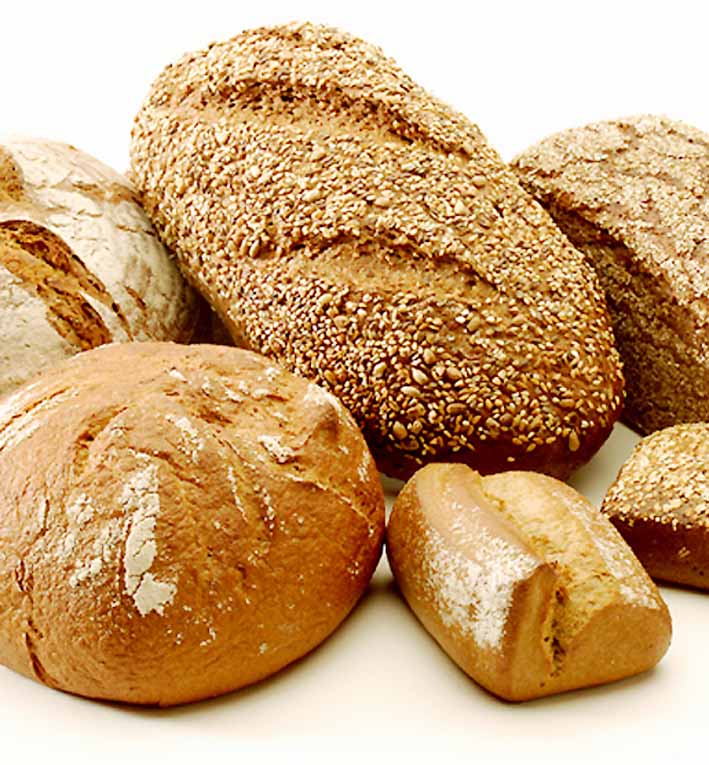 BreadPhoto: Klaus Höpfner, CC BY-SA 3.0, Wikimedia Commons
 BroccoliPhoto: U.S. Department of Agriculture, Public domain, Wikimedia Commons
 Butternut squashPhoto: George Chernilevsky, Public domain, Wikimedia Commons
 CabbagePhoto: Forest & Kim Starr, CC BY 3.0, Wikimedia Commons
 CarrotsPhoto: Stephen Ausmus, Public domain, Wikimedia Commons
 CauliflowerPhoto: Etbe, CC BY-SA 3.0, Wikimedia Commons
 CeleriacPhoto: DocteurCosmos, CC BY-SA 3.0, Wikimedia Commons
 CeleryPhoto: Unknown author, CC BY-SA 3.0, Wikimedia Commons
 CherriesPhoto: Benjamint444, edited by Fir0002, CC BY-SA 3.0, Wikimedia Commons
 Cherry tomatoesPhoto: Ivar Leidus, CC BY-SA 4.0, Wikimedia Commons
 ChestnutsPhoto: Achromatic, CC BY 3.0, Wikimedia Commons
 Chicken breastPhoto: Dnor, Public domain, Wikimedia Commons
 Chili peppersPhoto: H. Zell, CC BY-SA 3.0, Wikimedia Commons
 Chinese cabbagePhoto: Jamie Nettles, CC BY-SA 3.0, Wikimedia Commons
 ChivesPhoto: Agnes Monkelbaan, CC BY-SA 4.0, Wikimedia Commons
 ClementinesPhoto: Rhododendrites, CC BY-SA 4.0, Wikimedia Commons
 CoconutPhoto: Ivar Leidus, CC BY-SA 4.0, Wikimedia Commons
 CorianderPhoto: Thamizhpparithi Maari, CC BY-SA 3.0, Wikimedia Commons
 CucumbersPhoto: Jason Zhang, CC BY-SA 3.0, Wikimedia Commons
 EggsPhoto: Makia Minich, CC BY-SA 3.0, Wikimedia Commons
 Elstar applesPhoto: National Fruit Collection, Brogdale, OGL 2, Wikimedia Commons
 FennelPhoto: Daderot, CC0, Wikimedia Commons
 Flat peachesPhoto: Daum, CC BY-SA 3.0, Wikimedia Commons
 Gala applesPhoto: Dllu, CC BY-SA 4.0, Wikimedia Commons
 GarlicPhoto: Ivar Leidus, CC BY-SA 4.0, Wikimedia Commons
 GingerPhoto: Mk2010, CC BY-SA 4.0, Wikimedia Commons
 Golden Delicious applesPhoto: Ivar Leidus, CC BY-SA 4.0, Wikimedia Commons
 Golden kiwisPhoto: Ivar Leidus, CC BY-SA 4.0, Wikimedia Commons
 Granny Smith applesPhoto: National Fruit Collection, Brogdale, OGL 2, Wikimedia Commons
 GrapefruitPhoto: א (Aleph), CC BY-SA 2.5, Wikimedia Commons
 GrapesPhoto: Frank Schulenburg, CC BY-SA 4.0, Wikimedia Commons
 Green bell peppersPhoto: Nikodem Nijaki, CC BY-SA 3.0, Wikimedia Commons
 Green grapesPhoto: Thamizhpparithi Maari, CC BY-SA 3.0, Wikimedia Commons
 GuavasPhoto: Sakurai Midori, CC BY-SA 3.0, Wikimedia Commons
 Honeydew melonPhoto: Yotoen, Public domain, Wikimedia Commons
 KiwisPhoto: Tiia Monto, CC BY-SA 3.0, Wikimedia Commons
 LeeksPhoto: TadejM, CC BY-SA 3.0, Wikimedia Commons
 LemonsPhoto: André Karwath aka Aka, CC BY-SA 2.5, Wikimedia Commons
 LettucePhoto: Geographer, CC BY 1.0, Wikimedia Commons
 LimesPhoto: Ivar Leidus, CC BY-SA 4.0, Wikimedia Commons
 LycheesPhoto: Ivar Leidus, CC BY-SA 4.0, Wikimedia Commons
 MandarinsPhoto: Joe Ravi, CC BY-SA 3.0, Wikimedia Commons
 MangoesPhoto: Ivar Leidus, CC BY-SA 4.0, Wikimedia Commons
 MelonPhoto: USDA photo by Scott Bauer, Public domain, Wikimedia Commons
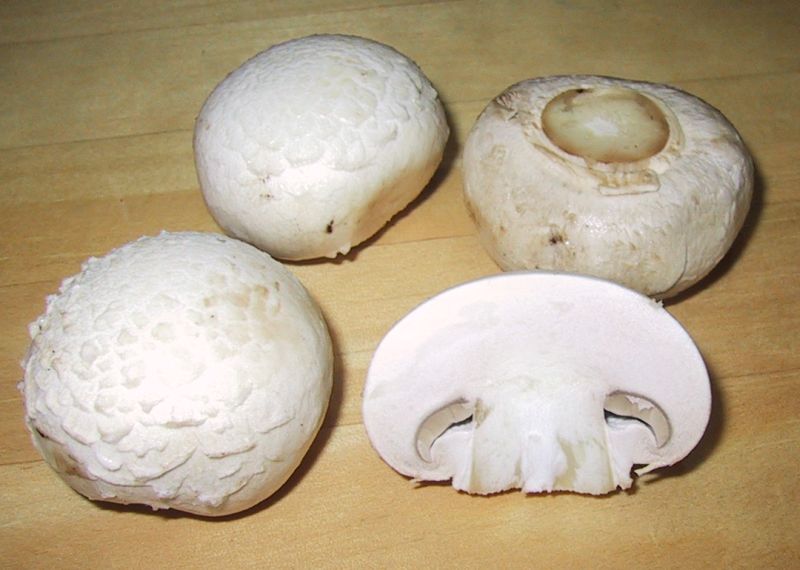 MushroomsPhoto: chris_73, CC BY-SA 3.0, Wikimedia Commons
 OnionsPhoto: Colin, CC BY-SA 3.0, Wikimedia Commons
 OrangesPhoto: Ivar Leidus, CC BY-SA 4.0, Wikimedia Commons
 ParsleyPhoto: H. Zell, CC BY-SA 3.0, Wikimedia Commons
 PeachesPhoto: Jack Dykinga, USDA, Public domain, Wikimedia Commons
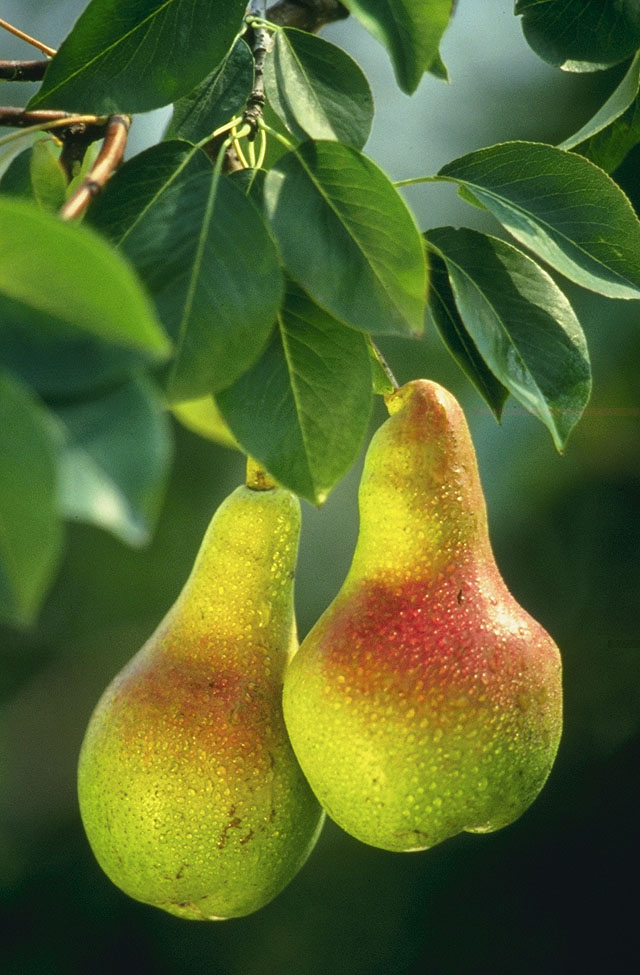 PearsPhoto: Keith Weller, Public domain, Wikimedia Commons
 PersimmonsPhoto: Joe Ravi, CC BY-SA 3.0, Wikimedia Commons
 PineapplePhoto: Markus Leupold-Löwenthal, CC BY-SA 3.0, Wikimedia Commons
 Pink Lady applesPhoto: Kerry Raymond, CC BY 4.0, Wikimedia Commons
 PlumsPhoto: Ivar Leidus, CC BY-SA 4.0, Wikimedia Commons
 PomegranatesPhoto: Ivar Leidus, CC BY-SA 4.0, Wikimedia Commons
 PomeloPhoto: Ivar Leidus, CC BY-SA 4.0, Wikimedia Commons
 PotatoesPhoto: Unknown author, CC BY-SA 3.0, Wikimedia Commons
 PumpkinPhoto: George Chernilevsky, Public domain, Wikimedia Commons
 RadishesPhoto: Jengod, Public domain, Wikimedia Commons
 RaspberriesPhoto: Ivar Leidus, CC BY-SA 4.0, Wikimedia Commons
 Red bell peppersPhoto: ulleo, CC0, Wikimedia Commons
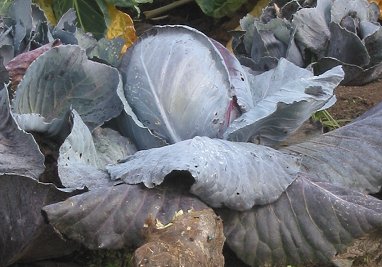 Red cabbagePhoto: Rasbak, CC BY-SA 3.0, Wikimedia Commons
 Red onionsPhoto: Colin, CC BY-SA 3.0, Wikimedia Commons
 Salmon filletPhoto: FULVIO_TOGNON, CC0, Wikimedia Commons
 ShallotsPhoto: Unknown author, CC BY-SA 3.0, Wikimedia Commons
 SpinachPhoto: Kayser Ahmad, CC BY-SA 4.0, Wikimedia Commons
 Spring onionsPhoto: Halima Waziri, CC BY-SA 4.0, Wikimedia Commons
 StrawberriesPhoto: Ivar Leidus, CC BY-SA 4.0, Wikimedia Commons
 Sweet cornPhoto: পাপৰি বৰা, CC BY-SA 4.0, Wikimedia Commons
 Sweet potatoesPhoto: Gaurav Dhwaj Khadka, CC BY-SA 4.0, Wikimedia Commons
 TomatoesPhoto: Michal Klajban, CC BY-SA 4.0, Wikimedia Commons
 TurnipsPhoto: Miya, CC BY-SA 4.0, Wikimedia Commons
 WalnutsPhoto: George Chernilevsky, Public domain, Wikimedia Commons
 WatermelonPhoto: Harsha K R, CC BY-SA 2.0, Wikimedia Commons
 White onionsPhoto: calliope (Flickr), CC BY 2.0, Wikimedia Commons
 Whole chickenPhoto: Nesnad, CC BY 4.0, Wikimedia Commons
 Wholemeal breadPhoto: Veganbaking.net, CC BY-SA 2.0, Wikimedia Commons
 Yellow onionsPhoto: Fumikas Sagisavas, CC0, Wikimedia Commons
 ZucchiniPhoto: Kolforn, CC BY-SA 4.0, Wikimedia Commons
WildGuessr animals, plants, fungi, stones, prehistoric life and space
The list of animals, plants, fungi, stones, prehistoric creatures and space objects is our own. The habitat, diet, size and activity of each animal, and the “Did you know?” facts, we wrote and checked by hand; the traits of plants, fungi and stones (form and leaves, cap and gills, hardness and crystal system...) follow field guides and mineralogy handbooks and are cross-checked with Wikidata. They are not copied from a database, so a mistake is ours; tell us on Discord and we fix it. Nothing here is advice on eating, foraging or treating anything: WildGuessr is a game, not a field guide.
The traits of prehistoric creatures (group, geological period, where their fossils were found, diet, length, how they moved) follow encyclopaedias and the English Wikipedia articles and are cross-checked with the time periods recorded on Wikidata; science on extinct animals changes, so the facts say “scientists think” where it is still argued. The traits of space objects (type, distance from Earth, whether they can be seen by eye, when they were discovered) follow the planetary and mission fact sheets of NASA and ESA; we checked against them and copied nothing.
The classification (class, order, family; a plant’s botanical group) and the properties used to cross-check stones come from Wikidata (CC0). The names of animals, plants, fungi and stones in eight languages are the titles of the matching Wikipedia articles (Wikipedia text is CC BY-SA 4.0; we use the titles only). The conservation status is the IUCN Red List category as recorded on Wikidata; “not evaluated” marks species the IUCN has not assessed, such as domestic animals.
Which countries an animal, plant or fungus lives in (the “wildlife of our country” filter of class rooms) is counted from occurrence data of GBIF.org, the Global Biodiversity Information Facility: human observations per country, kept from 25 records (fewer for rare animals) so zoo escapes and vagrants stay out. We store only those counts, no single observation. GBIF.org (2026) GBIF Occurrence Search, https://www.gbif.org. WildGuessr is not affiliated with GBIF.
Which countries the fossils of a prehistoric creature were found in (the same class filter) is counted from the Paleobiology Database (CC BY 4.0): finds per country, certain identifications only, from a single find on. It covers the finds scientists have published, so a creature can be missing from a country where it was found but not yet recorded there. We store only those counts. Data from the Paleobiology Database, https://paleobiodb.org. WildGuessr is not affiliated with the Paleobiology Database.
Photos of animals, plants, fungi, stones, prehistoric creatures (mounted skeletons, fossils and reconstructions) and space objects come from Wikimedia Commons; many space images there are by NASA, ESA or ESO. The author and licence of each photo are shown under it after the reveal, with a link to its Commons page. WildGuessr is not affiliated with Wikimedia, the IUCN, NASA, ESA or ESO.
The animal recordings in the voice mode are also files from Wikimedia Commons, under CC BY, CC BY-SA, CC0 or public domain. The recordist and licence of each one are shown under the player once the round is over, with a link to its Commons page. We convert each recording to MP3 so that every browser can play it (Safari does not play Ogg) and do not otherwise edit the sound.
TripGuessr map
The country outlines on TripGuessr's map come from Natural Earth (public domain), simplified for this game. The cities, the connections and their times and prices are our own approximate model, not real timetables.
Flags and emoji
Country flags and emoji are drawn with Twemoji fonts, so they look the same on every device (Windows, for one, has no flag emoji). The flags use the Twemoji Country Flags font (code MIT), the other emoji the Twemoji Mozilla COLR font (OFL-1.1). The artwork is from Twemoji, © Twitter, Inc. and other contributors, licensed under CC BY 4.0.
Exchange rates
Guesses in your own currency are converted with the euro reference exchange rates of the European Central Bank on the date the price was observed, retrieved via Frankfurter. Currencies the ECB doesn't publish use fawazahmed0/exchange-api (CC0).
Fonts, icons and software
The typeface is Outfit (Rodrigo Fuenzalida and The Outfit Project Authors, SIL Open Font License 1.1). Icons are from Lucide (ISC License). Currency codes come from country-to-currency (MIT). The site is built with Next.js and React (MIT), hosted on Vercel, with Supabase for the game backend, and runs as an Activity through the Discord Embedded App SDK (MIT).