Labradorite
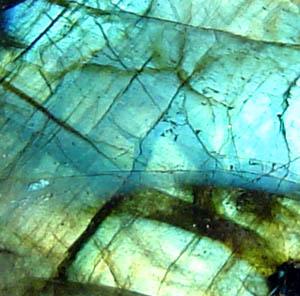
At a glance
- Type
- Mineral
- Group
- Silicate
- Crystal system
- Triclinic
- Hardness
- Hard (5.5 to 7.5)
- Density
- Medium (2.5 to 3.2)
- Occurs in
- Igneous rocks
- Foliation
- Not layered
- Colour
- Grey, Yellow, Green, Blue
- Lustre
- Glassy, Pearly
- Use
- Jewellery
- Difficulty in WildGuessr
- Medium
Did you know?
- Labradorite is named after Labrador in Canada, where it was described in the 18th century.
- Its blue and gold flash, called labradorescence, comes from thin layers inside the crystal that interfere with light.
Could you guess it from clues?
WildGuessr picks a secret animal, plant, fungus, stone, prehistoric creature or space object and you ask yes-or-no questions about it, such as its group or where it grows. The fewer clues you need, the more points you score.
Similar stones
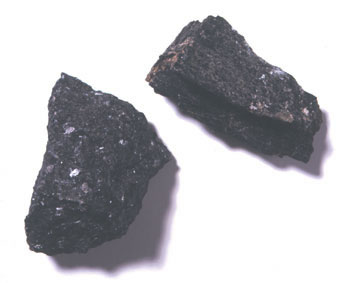


Classification, names and conservation status come from Wikidata (CC0), the photo from Wikimedia Commons. Wikidata Q430062 · All stones · All entries